Something wasn’t right.
I couldn’t put my finger on it. I was CEO of an early-stage business and had brought in a senior person who, on paper, had everything. The experience. A long list of clients who would follow them. Every conversation we had made sense. The plan was logical.
But very little of that promise was showing up in the business. I lost a few nights’ sleep over it.
Then, over lunch, we talked about our values. We took it in turns to share what mattered most to each of us.
It was a eureka moment. About 60% of our values were the same. 20% were neutral. And 20% were in direct conflict.
We had spent all our time and energy on the 60%. It felt great. Lots of buzz. It was the unspoken 20% that was getting in the way.
The annoying thing is that this conversation was in plain sight. We could have had it on day one, not months down the track.
Once we talked about it openly, with no judgement, the fix came quickly. We changed how we worked together and the business grew fast.
That is company culture at work. It shows up in the conversations you have, and the ones you don’t. I wrote more about it in Transformation needs culture change.
This has a name. In their Harvard Business Review article The False Alignment Trap, three BCG consultants describe senior leaders who believe they agree on why, what and how to change, when they actually don’t. Their wider research asked about 6,000 executives and employees to imagine a change coming. About 70% of executives felt positive. Less than half of employees did.
This matters most when people feel change is being done to them.
Someone close to a big transformation told me what it looks like from the inside. New structure. New roles. Tough decisions about who goes where. And a lot of uncertainty.
A senior leader has explained the why behind it a million times. Forums. Briefings. Open doors. Some people still see it as imposed.
So plenty of them nod. “I’m not sure, but I have to do it anyway.” That is what a nod can really mean.
Her advice was to ask the question nobody wants to say out loud. What happens if we don’t change? Until people believe that, they are only complying.
She added something else. It can feel like big waves hitting the boat. But there is no perfect moment to start. Find the pain points and untangle them one by one. And look around. You are not alone. We are in this together.
Nodding is not agreeing.
One question to take into your week.
Where are you nodding along on the surface, and disagreeing underneath?
Three experiments to try
2 minute experiment
Tell a colleague about a time you nodded along when you weren’t really sure.
5 minute experiment
Ask someone on your team: “How is all this landing for you?” Then just listen.
10 minute experiment
Take a colleague for a coffee or a walk. No agenda. Ask how things are really going.
Planning a conference or leadership event on company culture? I speak to leadership teams navigating change around the world. Check availability.
SERVICES I OFFER:
Fresh from the stage: The IPG, 13 November 2026
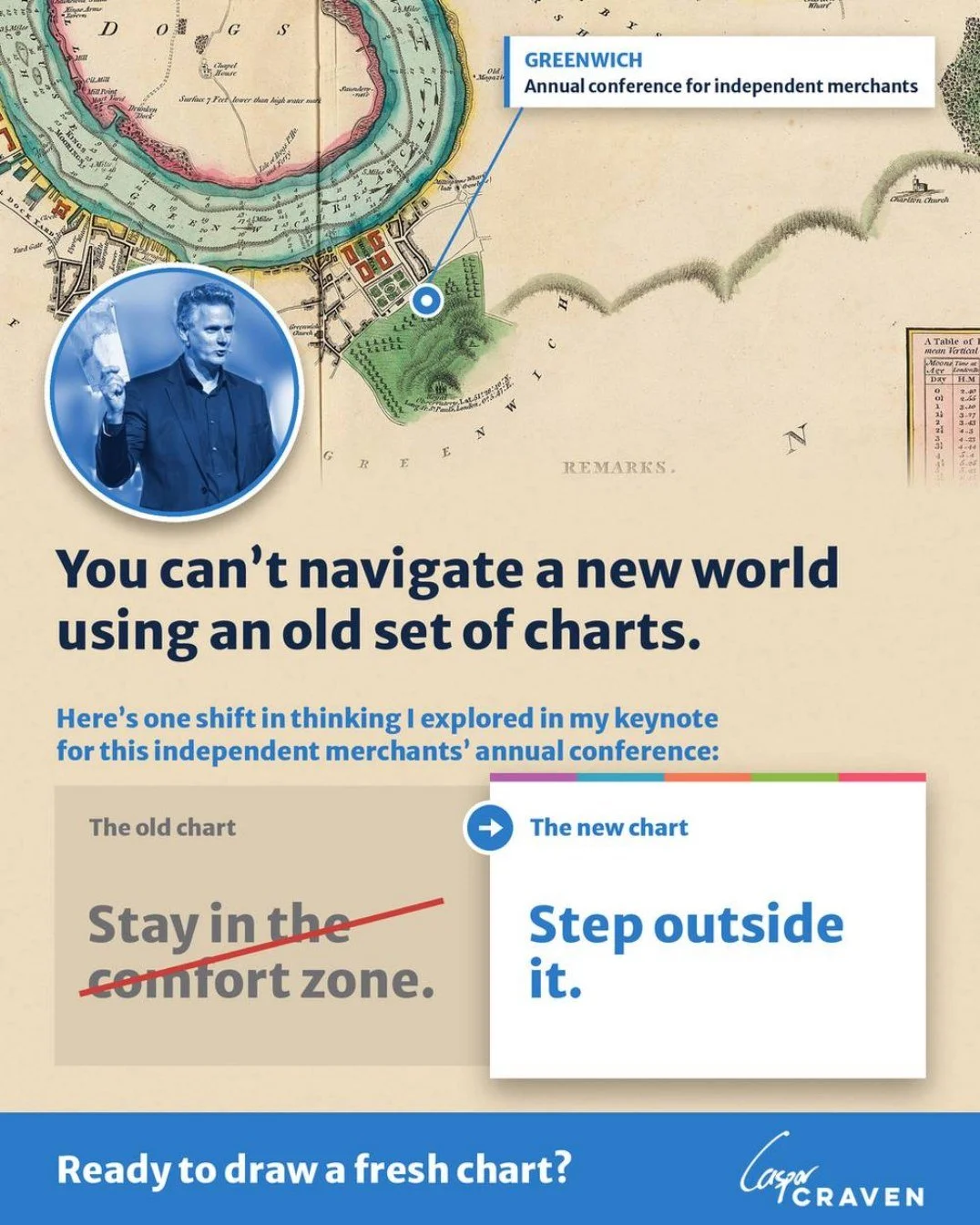
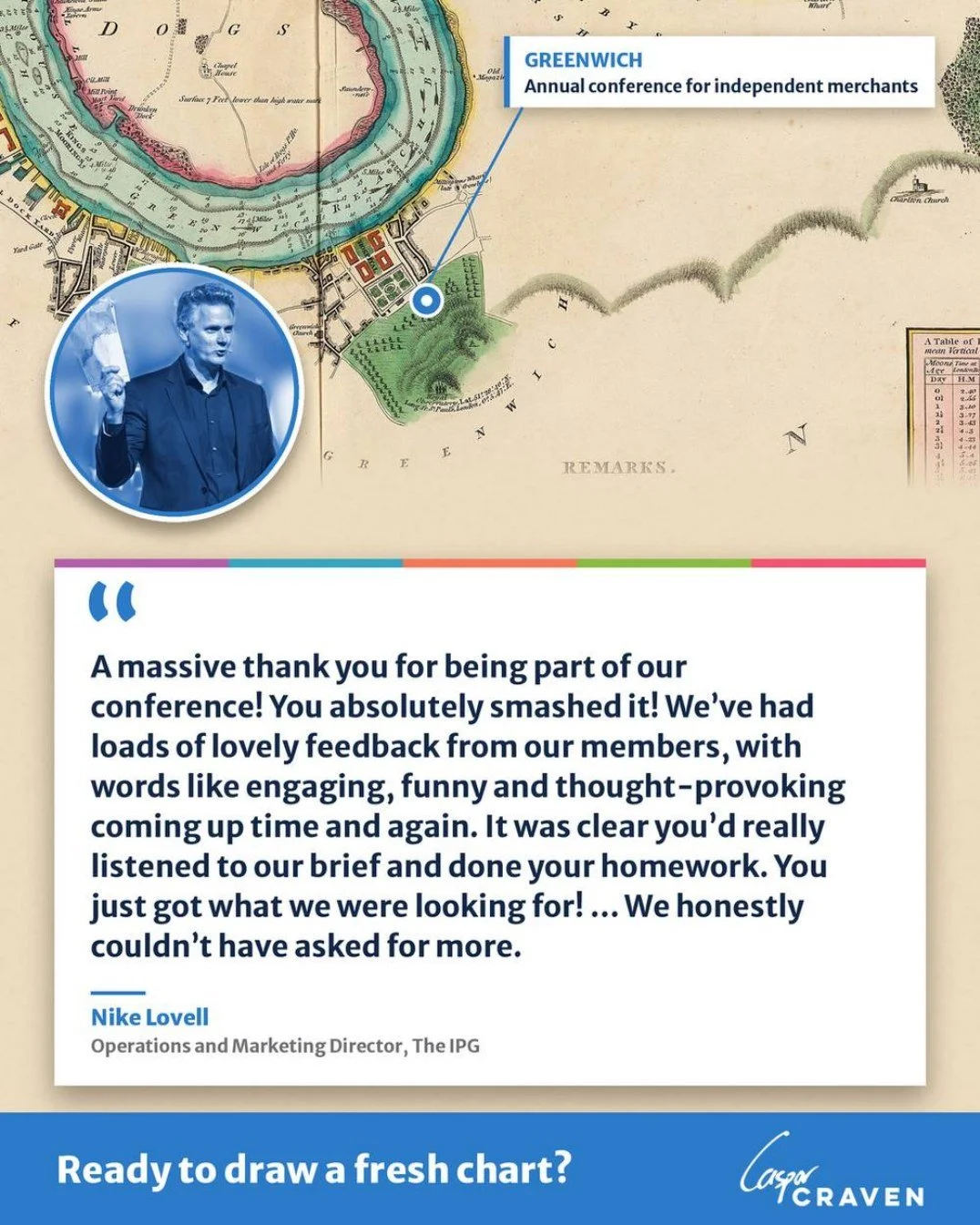
I spoke at the annual conference at the InterContinental London The O2. Here is one shift I shared, and what they said about it.